
Lakewood Reserve — a new website built to book, explore, and inspire
The refreshed Lakewood Reserve site is a hospitality hub: reserve a tiny home, discover what surrounds Raystown Lake, and see the properties before you ever pack a bag.
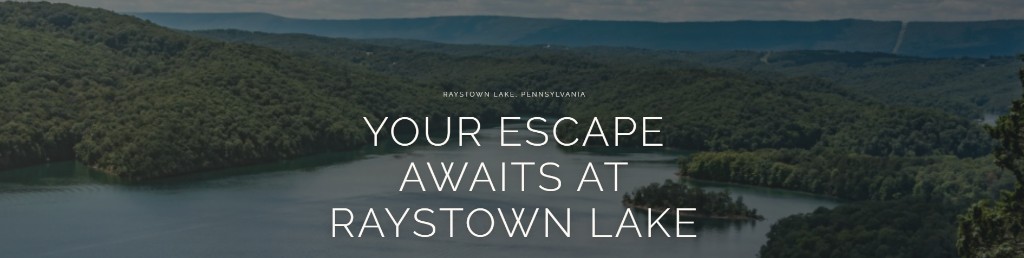
Lakewood Reserve offers boutique tiny home stays on Raystown Lake in Pennsylvania—private compounds with modern finishes, wood-fired hot tubs, saunas, and the kind of quiet mornings guests actually travel for. The new website had one job: make that experience easy to understand, easy to find, and easy to book.
I designed and built the site as a single destination where browsing turns into planning. Not a brochure that sends people elsewhere, but a clear front door for The Apex, Anchor Twenty Eight, and everything around the lake.
01 A booking hub, not a dead-end homepage
Hospitality sites fail when “Book Now” is buried three clicks deep. On Lakewood Reserve, availability is the headline. The hero leads with Check Availability, guest count, and property selection so travelers can move from curiosity to calendar without friction.
Each tiny home has its own dedicated path—sleep capacity, amenities, and a direct View + Book action. The Apex and Anchor Twenty Eight read as distinct stays, not interchangeable listings. That clarity matters when guests are comparing compound size, porch space, sauna access, and who the stay is really for.
People do not book a cabin—they book a weekend.
02 Streamlined with Lodgify for guests and hosts
Booking is powered by Lodgify, so the site stays streamlined on both sides of the reservation. Guests get an easy calendar experience—real availability, clear date selection, and a direct path from browsing to booking without juggling extra tools or off-site redirects.
For the hosts, Lodgify keeps everything in one place: calendars across properties, reservation details, and the day-to-day visibility needed to run multiple compounds with confidence. Less manual tracking, fewer missed gaps, and a system that scales as Lakewood Reserve grows.
03 Explore the area before they arrive
People do not book a cabin—they book a weekend. The site treats Explore Raystown as a first-class section, not footer filler. Area guides, lake recommendations, and things-to-do content give travelers a reason to stay on-site longer and return when they are ready to plan.
That structure supports discovery beyond brand search: hikers, boaters, couples planning a romantic escape, and families looking for intentional time together all land on language that matches how they actually search.
04 SEO and AIO language that earns the right traffic
Beautiful photography alone does not fill calendars. I wrote the site with search and AI discovery in mind—clear, descriptive copy that names what Lakewood Reserve is, where it is, and who each stay serves.
That means intentional phrasing throughout: tiny home rentals on Raystown Lake, Pennsylvania, compound-specific amenities, guest types (couples, friends, families, solo retreats), and practical differentiators like lakeside access, modern comfort, and welcoming host support. Headings, meta structure, and body copy work together so traditional search engines and AI-assisted discovery both understand the offer quickly.
The goal is not keyword stuffing—it is answer-ready language. When someone asks where to stay near Raystown Lake, or what a boutique tiny home rental in central PA looks like, Lakewood Reserve should be legible to humans and machines alike.
05 UI/UX designed for trust and conversion
The visual system extends the brand palette—seashell, nautical navy, sage, driftwood—into a calm, premium interface that feels like the stays themselves. Navigation stays simple: Tiny Homes, Explore, Contact, and persistent booking access.
On the page, content is scannable by design:
- Property cards lead with photography, sleep count, and amenity chips so comparison is instant.
- Value bands explain lakeside location, modern comfort, host support, and intentional space without walls of text.
- Guest-type rows help visitors self-select—romantic escapes, friend groups, family stays, solo retreats.
- Social proof and mission copy build confidence before the booking click.
Mobile was non-negotiable. Travelers research on phones between meetings and on weekends in the car. Tap targets, readable type, and booking CTAs that stay visible keep the experience polished on every screen size.
06 One site, one story
The result is a hospitality website that does real work: it showcases unique lakeside properties, guides guests through the Raystown Lake area, and moves them toward a reservation with confidence. Brand, photography, SEO/AIO copy, and UX are not separate projects here—they are one system built to help Lakewood Reserve grow.
See the live site at lakewoodreserve.com, explore the full Lakewood Reserve case study, or book a discovery call if you are planning a booking-focused site of your own.